Performance
Bike fitting
The body shouldn't adapt to the bike. The bike should adapt to the body.
That's why we don't just adjust the saddle and handlebars. Every assessment begins with an in-depth analysis of the person: mobility, strength, motor control and sporting goals. Only then do we analyse the pedal stroke and optimise the position on the bike.
This approach helps us understand why a given position works or, on the contrary, causes pain, loss of efficiency or overload. Adjusting the bike becomes the result of a complete assessment, not the application of standard measurements.
Bike Fitting Performance
An advanced path that, when needed, combines bike fitting with specific exercises, athletic training or physiotherapy. Improving your position in the saddle isn't only about finding the right setup: it also means developing the body's ability to sustain it over time, with more efficiency, control and consistency.
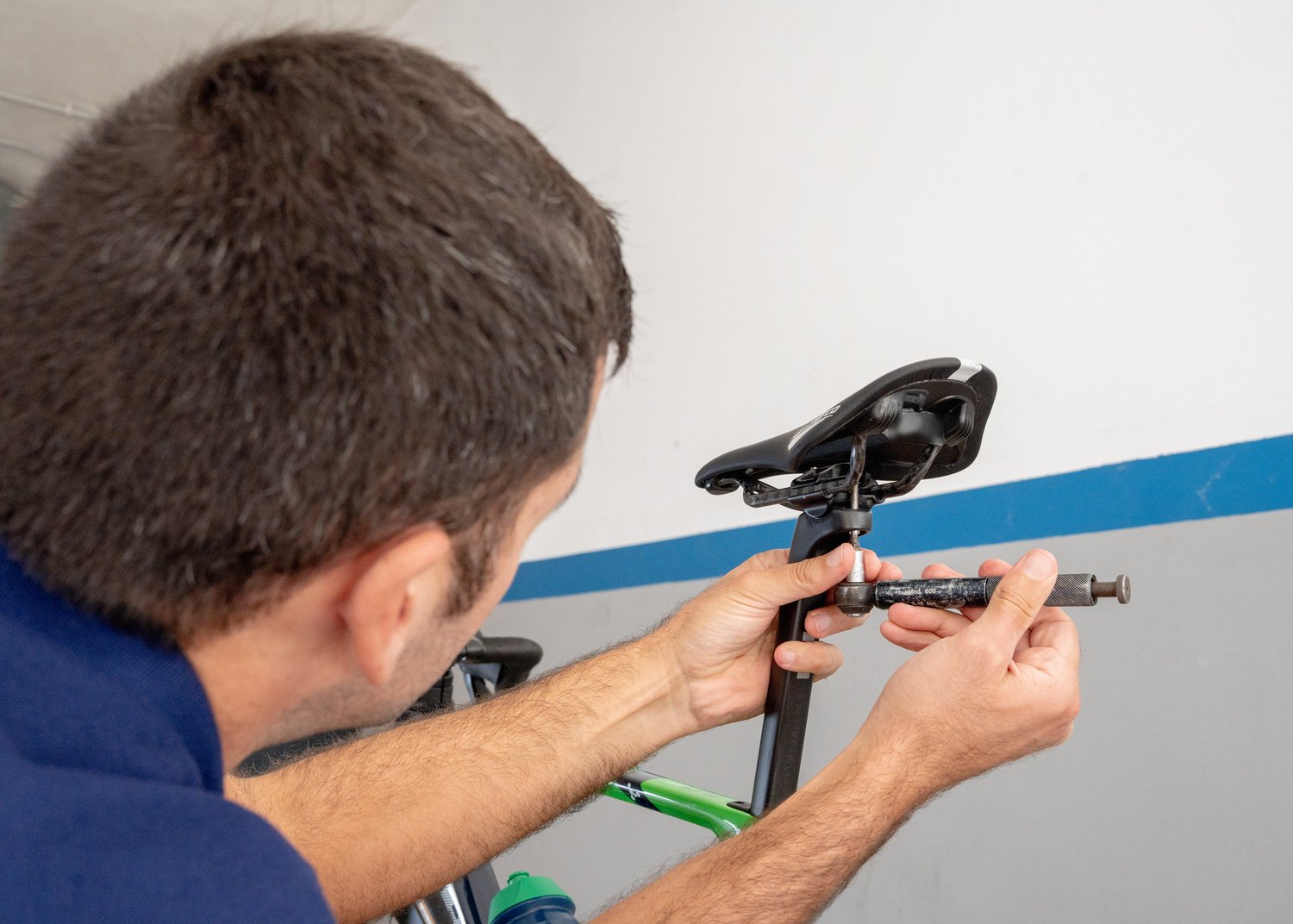
The assessment step by step
Initial interview
Collecting the athlete's data, habits and history.
Postural assessment
Global and analytical tests to assess joint mobility and detect postural faults, asymmetries, leg length differences and foot support issues, to indicate the most suitable corrective action.
Cleats
Custom adjustment based on how your foot rests on the pedal.
Pedalling analysis
Kinematic video analysis to work out the cyclist's best anthropometric angles.
Ideal position
Measurements of the ideal position and frame.
Book your bike fit
Choose the day and time you prefer from those available and you'll get a confirmation by email. The full assessment takes 75–80 minutes.
Google Calendar opens in a new tab. The booking page may appear in Italian.
What to bring
- Your own bike, clean
- Cycling shoes with cleats in good condition
- Cycling shorts
Let's talk.
Write to us and we'll find the path that suits you best.